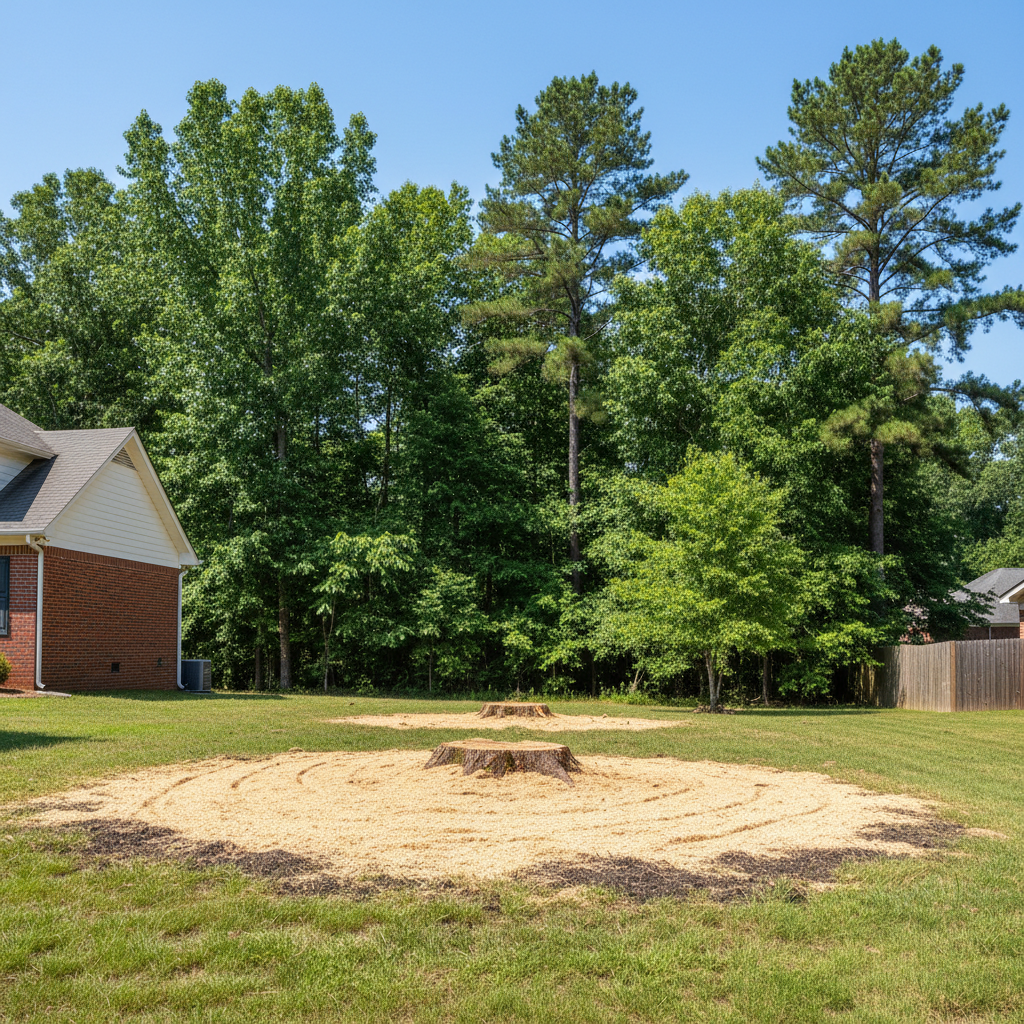
So, you've got a stump. Maybe it's an eyesore, a tripping hazard, or just taking up valuable space in your yard. Getting rid of it seems simple enough, right? Well, here in Huntsville, our unique climate means there's a bit more to it than just calling someone up and saying, 'Grind it!' I've been doing this for a while, and I've seen firsthand what works best and what doesn't when it comes to stump grinding and removal.
When's the Best Time for Stump Grinding in Huntsville?
Honestly, you can grind a stump pretty much any time of year. The machinery doesn't care if it's July or January. But for you, the homeowner, and for the overall health of your yard, some seasons are definitely better than others. I usually tell folks to consider a few things.
Late Fall to Early Spring: This is often my top recommendation. Why? For starters, the ground's usually softer from winter rains, but not so muddy that it's a huge mess. The tree's dormant then, so there's less active sap flow, which can sometimes make grinding a little cleaner. Plus, if you're planning on replanting grass or putting in new landscaping, you've got the whole spring growing season ahead of you. It's a great time to get that eyesore out and prepare for new growth.
Summer: It's doable, absolutely. But here's the thing: our Huntsville summers are brutal. It's hot, it's humid, and the ground can get rock hard, especially if we've had a dry spell. That makes the grinding a bit tougher, and it can kick up a lot more dust. If you're planning on seeding grass right after, you'll be fighting the heat and needing to water constantly. Not impossible, but certainly not ideal.
Right After Tree Removal: This is a no-brainer for many. If you're already having a tree taken down, just get the stump done at the same time. It saves you the hassle of scheduling a separate visit, and you're already dealing with the disruption. We're often already set up for the job, so it can be more efficient for everyone involved.
How Does Huntsville Weather Affect the Work?
Our weather here in North Alabama is quite the character, isn't it? It definitely plays a role in how we approach stump grinding.
Heavy Rain & Mud: This is the big one. We can't operate heavy machinery in a foot of mud. It's not safe, it makes an enormous mess, and it's terrible for your lawn. If we've had a week of solid downpours, we'll likely need to reschedule until things dry out a bit. We're not trying to track mud through your yard or get stuck. We've got to be smart about it.
Extreme Dry Spells: On the flip side, if it hasn't rained in weeks and the ground is like concrete, it just makes the job harder. The grinder has to work overtime, and it creates a lot more dust. We can still do it, but sometimes it's worth waiting for a bit of moisture if it's not super urgent.
Freezing Temperatures: Not usually a huge issue for the grinding itself, but if the ground is completely frozen solid, it's similar to a dry spell – just tougher on the equipment. Plus, nobody wants to be outside in that kind of cold unless they absolutely have to.
We're always keeping an eye on the forecast, and we'll communicate with you if we think the weather's going to be an issue. Midway Tree prides itself on being upfront about these things.
Protecting Your Investment Year-Round
Once that stump is gone, you've got a fresh slate. But what do you do with that spot? You've invested in getting rid of the stump, so let's make sure that area stays healthy and useful.
Fill and Grade Properly: After grinding, you'll have a hole filled with wood chips and soil. Don't just leave it. Those wood chips will decompose, and the ground will settle. You'll want to fill that hole with good quality topsoil, then grade it so water drains away from your foundation, not towards it. This is especially important in areas like Hampton Cove, where yards might have subtle slopes.
Consider What's Next: Are you planting grass? A new shrub? A flower bed? Knowing your plan helps us advise you on how deep to grind and what kind of backfill might be best. If you're putting in new turf, you'll want a good layer of fresh topsoil. If it's a small decorative bush, you might not need as much.
Monitor for Regrowth: While stump grinding removes the visible part, sometimes stubborn roots can try to sprout again, especially from certain tree species. Keep an eye on the area. If you see small shoots, you can usually take care of them with a quick application of a root killer or just by snipping them back regularly. Most of the time, though, a good, deep grind takes care of it.
Soil Health: The decomposition of remaining wood chips can temporarily deplete nitrogen in the soil. If you're planting right away, consider adding some compost or a balanced fertilizer to give your new plants a good start. Healthy soil means healthy growth, and that's always the goal.
Getting rid of a stump is a great way to improve your property. By understanding the best timing, how our local Huntsville weather affects the process, and what to do afterward, you're setting yourself up for success. If you've got questions or need a quote, give us a call at Midway Tree. We're always happy to help you figure out the best plan for your yard.