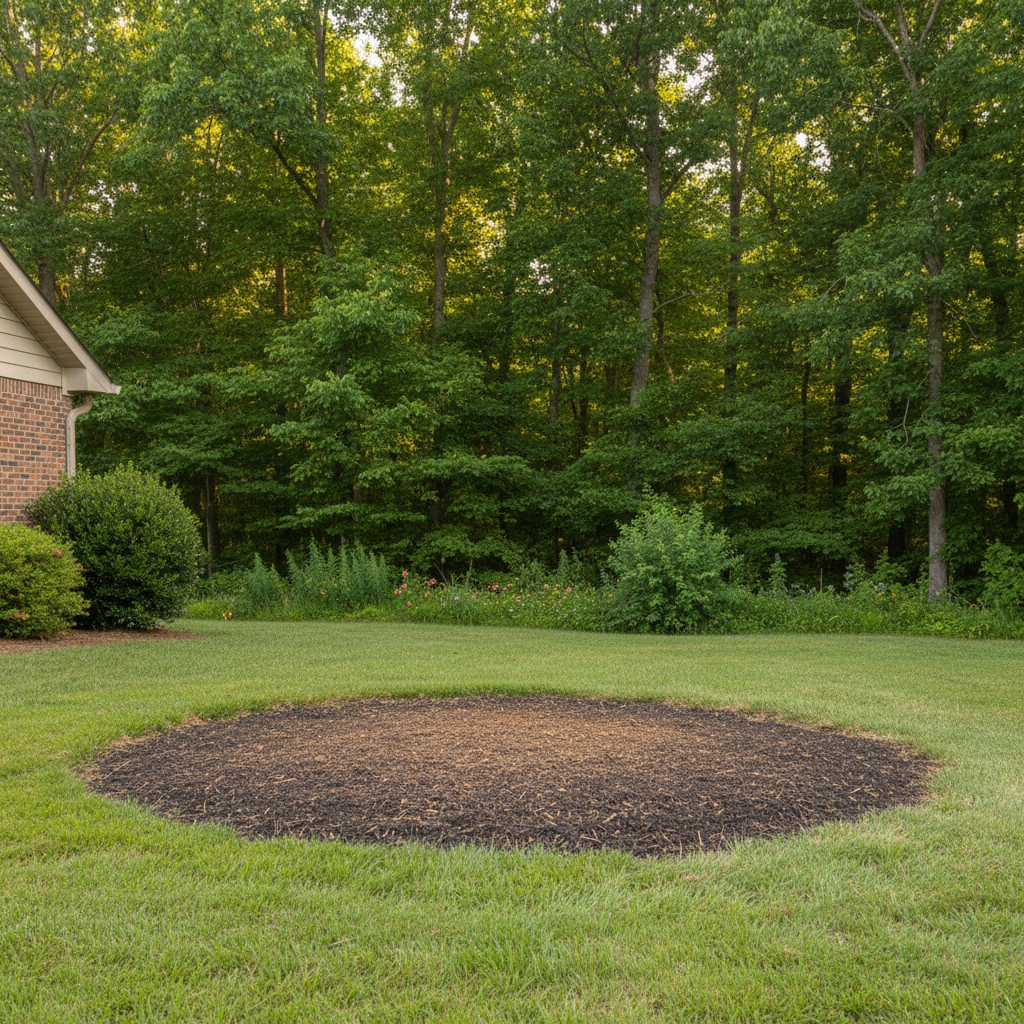
So, you finally got rid of that eyesore of a stump. Nice work! Whether it was a massive oak that used to shade your backyard in Hampton Cove or a smaller sweetgum that just wouldn't quit, getting it ground down is a big step. But here's the thing: the job isn't totally done when we pack up our grinder. You've got a little bit of aftercare to do if you want to make sure that spot stays clear and doesn't cause you any grief down the road.
Making Your Stump Grinding Last
When we grind a stump, we usually go down about 6 to 12 inches below the surface, sometimes more depending on what you're planning for that spot. That leaves a pit, obviously, filled with wood chips and soil. The biggest thing you can do to make that work last — meaning keeping the area clear — is proper backfilling and some smart planning for the future.
First off, get rid of those wood chips. They're actually great for mulch in other parts of your yard, but you definitely don't want them staying in that hole. Why? Well, they'll decompose slowly, creating a sinkhole effect as the material settles. That's a trip hazard and just a general pain to deal with later. So, rake them out, bag 'em up, or spread 'em somewhere else.
Next, backfill the hole with good, clean topsoil. And I mean *good* topsoil, not just any old dirt you scrape up from the side of your house. You want quality stuff that's going to compact well and give a solid base for whatever you're planting or building there. If you're planning to plant grass, mix in some compost with that topsoil. Putting in a new flower bed or shrub? Same deal. You want to give new growth the best possible shot.
Don't just dump the soil in and walk away, either. Tamp it down as you go. You don't need some fancy compactor; your foot or a hand tamper will do just fine for most residential jobs. This really helps prevent settling later, which, honestly, is a common complaint I hear from folks who did the backfilling themselves without proper compaction.
Regular Check-ups: What to Keep an Eye On
Even after you've backfilled, you can't just completely forget about it. Especially here in Huntsville, with our humid climate and sometimes heavy rainfall, you'll want to keep an eye on things.
- Settling: Over the first few months, especially after a good rain, you might notice the soil settling a bit. Just add more topsoil and re-level. It's totally normal.
- Sprouts: This is the big one. Depending on the tree species, you might get new sprouts trying to pop up from any remaining roots. Sweetgum, Bradford Pear, and even some oaks are notorious for this, believe me. Pull them out as soon as you see them. Don't let them get established. If you've got a lot, you might need a stump killer product, but just be careful with those around other plants you want to keep.
- Drainage: Make sure water isn't pooling in the area. Our heavy clay soils around here, especially in places like the Blossomwood area, can really hold water. If the spot becomes a little pond after every rain, you might need to adjust the grade slightly to ensure good runoff.
- Pests: A decaying root system, even if it's underground, can sometimes attract termites or other wood-boring insects. While stump grinding significantly reduces this risk compared to leaving a whole stump, it's not zero. If you notice any unusual insect activity in that specific spot, it's worth investigating.
Warning Signs of Trouble
Most of the time, stump grinding is a pretty permanent solution. But sometimes, things don't go exactly as planned, or maybe you missed a step in the aftercare. Here are some red flags:
- Persistent Sprouts: If you're constantly battling sprouts, and they're coming back stronger each time, it might mean there's a larger root section closer to the surface than we initially ground down.
- Significant Sinkholes: A little settling is fine. But a big, deep hole that keeps reappearing even after you've filled it means the material underneath is decomposing rapidly, or there's a void you didn't fill properly.
- Fungal Growth: Mushrooms or other fungi popping up consistently in that spot can indicate decaying wood underneath. Some fungi are harmless, but others can spread and cause issues.
- Unusual Odors: A strong, musty, or sulfur-like smell could mean anaerobic decomposition is happening, which just isn't ideal for your soil or plants.
When to Call a Pro
Look, I'm a big believer in DIY when it makes sense. But there are times when you just need to call in the pros, right? If you're seeing any of those persistent problems – constant sprouting that you can't beat, major settling, or signs of extensive decay – don't hesitate to give us a call at Midway Tree. We can come out, assess the situation, and figure out what's going on. Sometimes it's a simple fix, other times it might require a bit more grinding or a different approach to get rid of those stubborn roots for good. It's always better to address it early than to let it become a bigger, more expensive headache down the line.