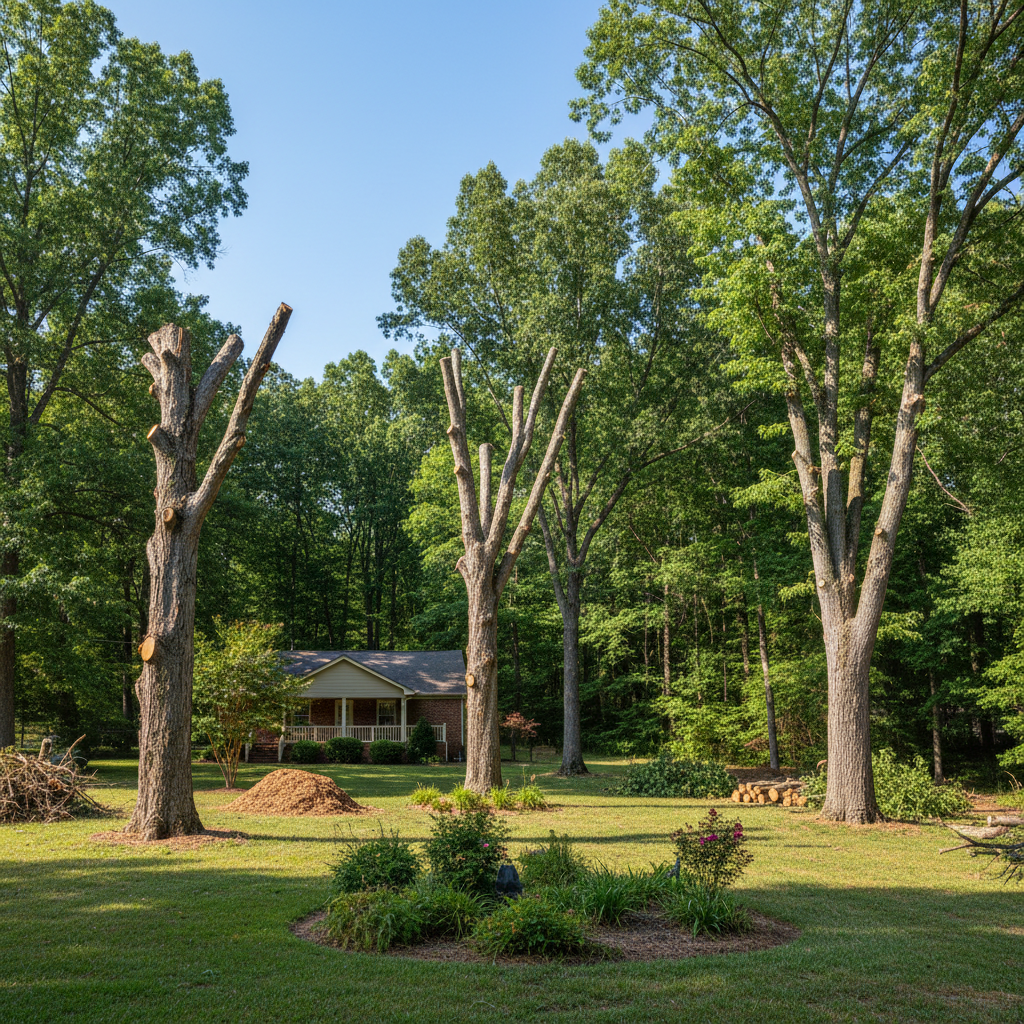
You've got trees on your property, and you want 'em healthy. That's smart. But here in Huntsville, 'healthy' means understanding our specific climate. It's not just about cutting branches when they look shaggy; it's about timing, weather, and knowing what your trees need through every season. I've been doing this for a while, and I've seen firsthand what works and what doesn't.
Winter: The Best Time for Major Work
Winter's when I recommend most of the heavy lifting. Why? A few reasons. First, deciduous trees (the ones that lose their leaves) are dormant. They're basically asleep. This means less stress on the tree when you're pruning or removing branches. You're not interrupting their active growth cycle. Plus, without leaves, it's a lot easier for me and my crew to see the tree's structure. We can spot dead, diseased, or crossing branches that might be hidden by foliage in the summer.
Another big one is access. The ground is usually firmer in winter, especially after a dry spell. This means our equipment, whether it's a bucket truck or a chipper, is less likely to rut up your lawn. And let's be honest, nobody wants a muddy mess. We also don't have to worry about disturbing nesting birds or other wildlife as much. Just be mindful of ice storms; those can be brutal on trees, and while we can clean up the damage, it's better to get ahead of it with proper winter pruning.
Spring: Waking Up and Getting Ready
Spring in Huntsville is beautiful, but it's also when your trees are putting a lot of energy into new growth. This isn't the ideal time for major pruning. You'll want to hold off on anything significant until later in the year. However, spring is a good time for a general check-up. Look for any branches that didn't make it through winter, or new growth that looks weak or discolored. If you've got fruit trees, this is when you might do some light, specific pruning to encourage better fruit production, but that's a whole different ballgame.
It's also a good time to think about fertilization if your trees need a boost. Our soil here, especially around the limestone areas, can sometimes be a bit tricky, and a good soil analysis can tell you exactly what your trees are missing. Don't just guess; you could do more harm than good.
Summer: Keep an Eye Out
Summer's when your trees are working hard, photosynthesizing like crazy. You generally want to avoid major pruning during the hottest months. Cutting into a tree when it's under heat stress can weaken it and make it more susceptible to pests and diseases. Plus, fresh cuts can attract insects that might spread disease. The exception here is if you have a hazardous branch – something dead, broken, or hanging precariously over your house. Don't wait on that. Give us a call at Midway Tree, and we'll get it handled safely.
Keep an eye out for signs of stress: wilting leaves, premature leaf drop, or unusual discoloration. Our hot, humid summers can sometimes bring on fungal issues, and drought periods can really hit young trees hard. Make sure new plantings are getting enough water, especially during those long dry spells we sometimes get between our pop-up thunderstorms.
Fall: A Second Chance for Pruning
Once the leaves start to turn and drop, and the temperatures cool down, fall becomes another good window for pruning. The trees are starting to go dormant, and like winter, it's easier to see the structure. It's not quite as ideal as deep winter for really heavy work, but for general shaping, removing deadwood, or getting rid of smaller branches, fall is perfectly fine. It also gives the tree time to heal before the really cold weather sets in.
Fall is also a great time to clean up around the base of your trees. Remove any fallen leaves or debris that could harbor pests or diseases over winter. And if you're thinking about planting new trees, fall is often considered the best time. It gives the roots a chance to establish themselves before the stress of summer heat.
Protecting Your Investment Year-Round
Ultimately, your trees are a long-term investment. They add value to your property, provide shade, and just make your yard look better. Knowing when to do what, and when to call in the pros, is how you protect that investment.
- Regular Check-ups: Walk around your property once a month. Look for anything out of the ordinary.
- Proper Watering: Especially for younger trees, make sure they get enough water, particularly during dry spells.
- Mulch, Not Volcanoes: A nice, even layer of mulch around the base (but not touching the trunk) helps keep moisture in and regulate soil temperature. Don't pile it up like a volcano!
- Professional Help: For anything beyond light pruning, or if you suspect disease or structural issues, call a certified arborist. We've got the equipment and the know-how to do it safely and correctly.
Our Huntsville weather can be a bit wild – from ice storms to scorching heat and everything in between. Understanding how these conditions impact your trees is the first step to keeping them healthy for years to come. Don't hesitate to reach out if you've got questions or need a hand.