So, you've got a tree on your property that's seen better days, or maybe it's just in the wrong spot. You're probably wondering, "Can I take this thing down myself, or do I need to call someone?" It's a fair question, honestly, and the answer isn't always simple. As someone who's been doing this for years here in Huntsville, I've seen it all. I can tell you there's a big difference between a small sapling and a mature oak.
Before You Even Think About Cutting
First things first, you need to size up the situation. Don't just rush out there with a chainsaw, please. Take a good, hard look at the tree. How big is it, really? What's around it? Are there power lines, your house, your neighbor's fence, or even a prized azalea bush underneath? These are huge factors, believe me.
You also need to understand the tree's health. Is it dead, diseased, or just leaning a bit too much? Dead trees, especially those hollowed out by carpenter ants or weakened by fungal infections common in our humid Alabama climate, can be incredibly unpredictable. They might look solid, but a strong gust of wind or a poorly placed cut could send them crashing down in an unexpected direction. That's a mess no one wants.
Another crucial step is checking for utility lines. Not just power lines overhead, but underground lines too. Before any digging or major cutting, always call 811. It's free, it's the law, and it could save your life and a lot of money. You don't want to hit a gas line or a water main just because you didn't make a quick call.
What You Can (Probably) Do Yourself
For most homeowners, DIY tree removal should stick to small, young trees. Think anything you can comfortably cut with a hand saw or a small electric chainsaw while keeping both feet firmly on the ground. We're talking about trees maybe 6-8 inches in diameter at the base, with no significant branches reaching over structures or power lines. If it's a small, straight-standing tree in an open area, and you're comfortable with basic chainsaw safety, you might be able to handle it.
- Safety Gear: Always, always wear safety glasses, hearing protection, gloves, a hard hat, and sturdy boots. Chaps are a smart idea if you're using a chainsaw.
- Clear the Area: Make sure no one else is around, especially kids or pets.
- Plan Your Fall: Look at the tree's natural lean. Where do you want it to fall? Make sure that path is clear.
- Basic Cuts: Learn how to make a proper notch cut and felling cut. There are plenty of good videos online, but practice on something small and low to the ground first.
If you're not confident, or if it feels like a big job, it probably is. That's when you call someone like us at Midway Tree.
When It's Time to Call a Pro
This is where most tree removal jobs fall, especially here in Huntsville where we have a lot of mature trees — from stately oaks in older neighborhoods like Five Points to towering pines in newer developments. You absolutely need a professional if:
- The tree is large: Anything over 10-12 inches in diameter, especially if it's tall. Big trees have immense weight and momentum.
- It's near structures: Your house, garage, shed, or your neighbor's property. The risk of property damage is just too high.
- It's near power lines: This is non-negotiable. Power lines are deadly. Don't even think about it.
- The tree is leaning or unstable: Compromised trees are unpredictable. What seems like a simple cut can cause the tree to split, kick back, or fall in an unexpected direction.
- It's diseased or dead: Dead wood is brittle and can snap unexpectedly. Diseased trees can be structurally unsound.
- You're not comfortable: If you have any hesitation, listen to that gut feeling. It's there for a reason, right?
- You need specialized equipment: Cranes, bucket trucks, chippers – these aren't things most homeowners have lying around.
Professionals have the training, the insurance, and the right equipment to do the job safely and efficiently. We know how to assess risks, make precision cuts, and bring down trees without damaging your property or putting anyone in harm's way. We're also insured, which means if something goes wrong (and even the best pros can have unexpected issues), you're not on the hook financially.
After the Tree is Down
Whether you DIY or hire a pro, you'll have debris to deal with. For small jobs, you might be able to cut branches into manageable pieces for yard waste pickup or haul them to a local disposal site. Larger jobs will generate a lot of wood. A professional service will typically chip branches and haul away logs, leaving your yard clean. You might even be able to keep some of the wood for firewood, depending on the tree type and your needs.
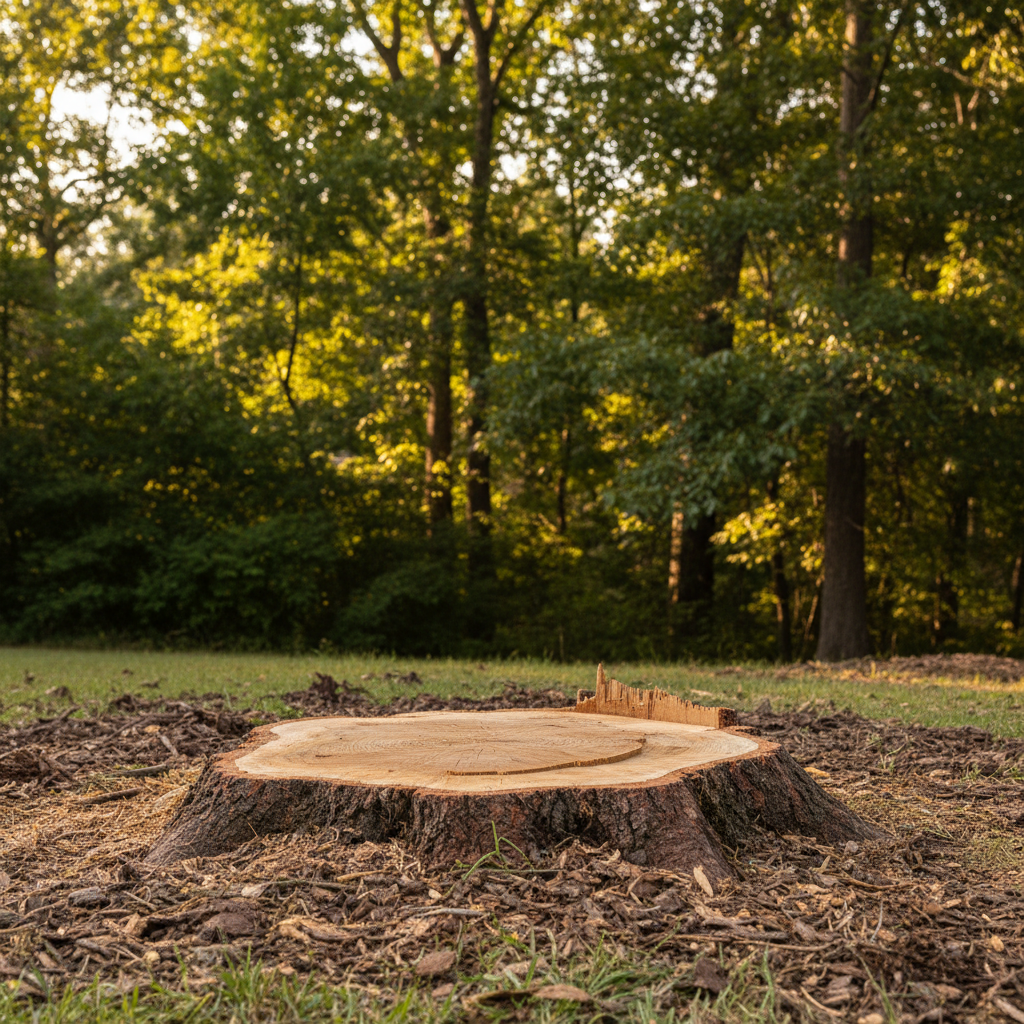
Don't forget about the stump. You can leave it, but it can be a tripping hazard, attract pests, and make mowing a pain. Stump grinding is usually the best option to get rid of it completely, allowing you to plant grass or something new in its place.
Tree removal isn't a job to take lightly. Weigh the risks, be honest about your capabilities, and don't hesitate to call in the experts when the job is too big or too dangerous. Your safety, and the integrity of your property, are worth it.