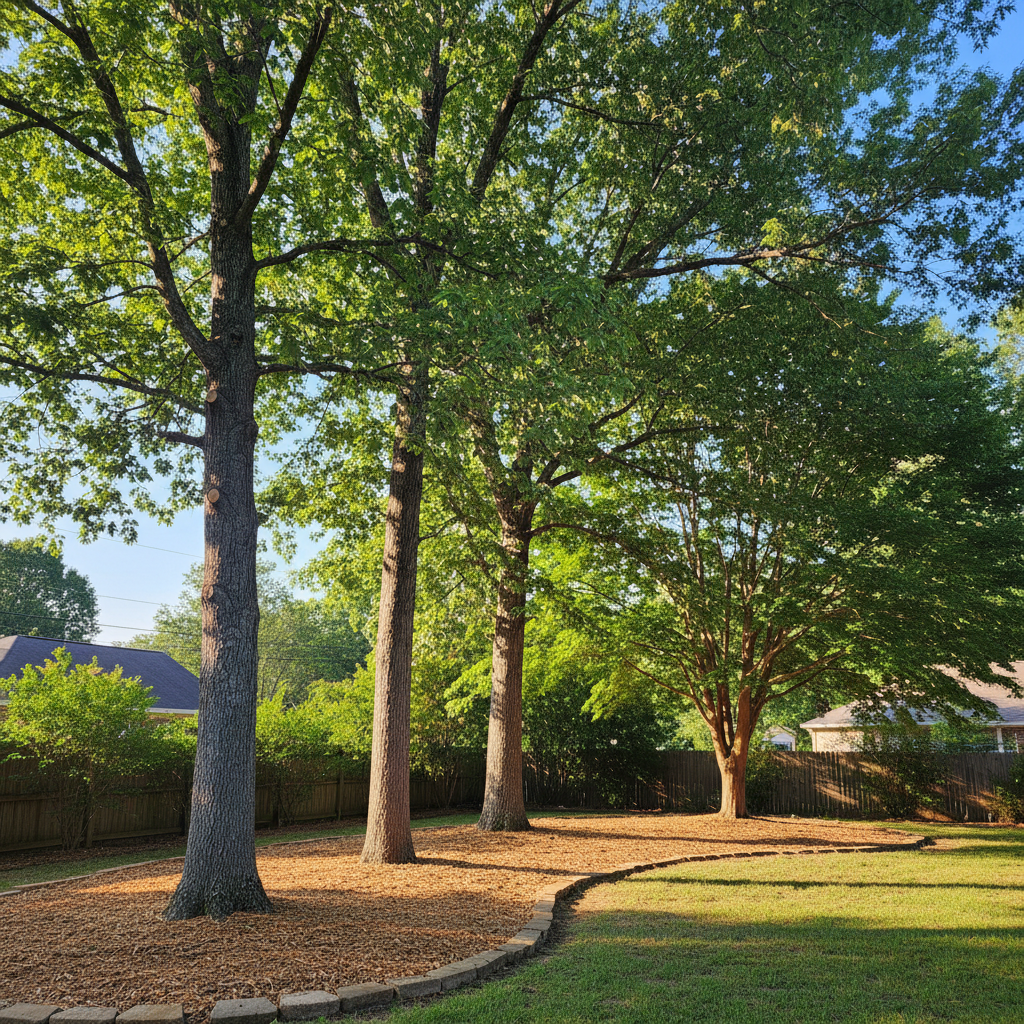
You've got beautiful trees on your property, maybe some old oaks or young maples. You want them to stick around, right? I've been working with trees here in Huntsville for a long time, and I've seen what makes them last and what cuts their life short. It's not just about trimming; it's about ongoing care, especially with our Alabama weather throwing everything at them.
Extending the Life of Your Trees (and Our Work)
When we do a job, whether it's a careful prune or removing a dangerous limb, we're setting your tree up for success. But that's just one chapter. To really extend the life of your trees, you've got to think long-term. One big thing is proper watering, especially for younger trees or during dry spells. Our summers here can be brutal, even with the humidity. A good, deep soak once a week is way better than a daily sprinkle. Think about how much rain we get in the spring, then how it can just stop for weeks in July and August. Your trees still need that moisture.
Another key is protecting the root zone. That means no heavy equipment driving over it, and try not to pile up mulch like a volcano around the trunk. Keep it a few inches away from the bark. Roots need air and water, and compaction or too much mulch smothers them. Also, be mindful of construction. Even minor trenching for a new sprinkler line can sever crucial roots and stress a tree out, sometimes fatally.
Regular Maintenance: What You Can Do
You don't need a professional out every month, but there are things you can keep an eye on. Walk around your property once a season, especially after big storms. Look at the general health of your trees. Are the leaves a good color? Are there any dead branches hanging around? For younger trees, make sure they're staked properly if they need it, but don't leave stakes on too long – they can girdle the trunk.
Pruning small, dead, or crossing branches yourself is fine if you know what you're doing and can reach them safely. Always use clean, sharp tools. Don't go crazy, though. If a branch is thicker than your wrist, or if it's high up, that's when you should probably call us. You're not trying to be a lumberjack; you're just doing some light tidying.
Warning Signs You Shouldn't Ignore
Your trees talk to you, you just have to know how to listen. Here are some red flags:
- Dead or dying branches: Especially if they're large or overhanging your house.
- Discolored or sparse leaves: If leaves are yellowing or dropping off too early, or if the canopy looks thin, something's wrong.
- Fungus or mushrooms at the base: This often indicates root rot or internal decay, which can be a serious structural issue.
- Cracks or splits in the trunk or major limbs: These are structural failures waiting to happen.
- Pest infestations: Look for holes in the bark, sawdust at the base, or unusual growths. We've got our share of pests here, from borers to bagworms.
- Leaning: If a tree suddenly starts leaning, especially after heavy rain or wind, its root system might be compromised. This is super dangerous.
- Cankers or oozing sap: These can be signs of disease or pest activity.
Don't ignore these things. A small problem can become a huge, expensive, or even dangerous one pretty fast.
When to Call a Professional (Like Midway Tree)
Look, I'm not going to tell you to call us for every little thing. But there are times when it's just plain smart to bring in the experts. If you see any of those warning signs I just mentioned, especially anything that looks like a structural issue or significant decay, pick up the phone. If you've got branches that are close to power lines, your roof, or any other structure, that's a job for us. We've got the right equipment and the training to do it safely.
Also, if you're planning any major landscaping or construction near a tree, give us a call first. We can advise on root protection or if a tree needs to be removed to prevent future problems. Think about those big old sweetgum trees in some of the older Huntsville neighborhoods – their roots can really mess with foundations and pipes if they're too close. Sometimes, a little proactive planning saves a lot of headaches and money down the road.
We're here to help you keep your trees healthy and your property safe. Don't hesitate to reach out if you're unsure about something. It's always better to be safe than sorry when it comes to your trees.