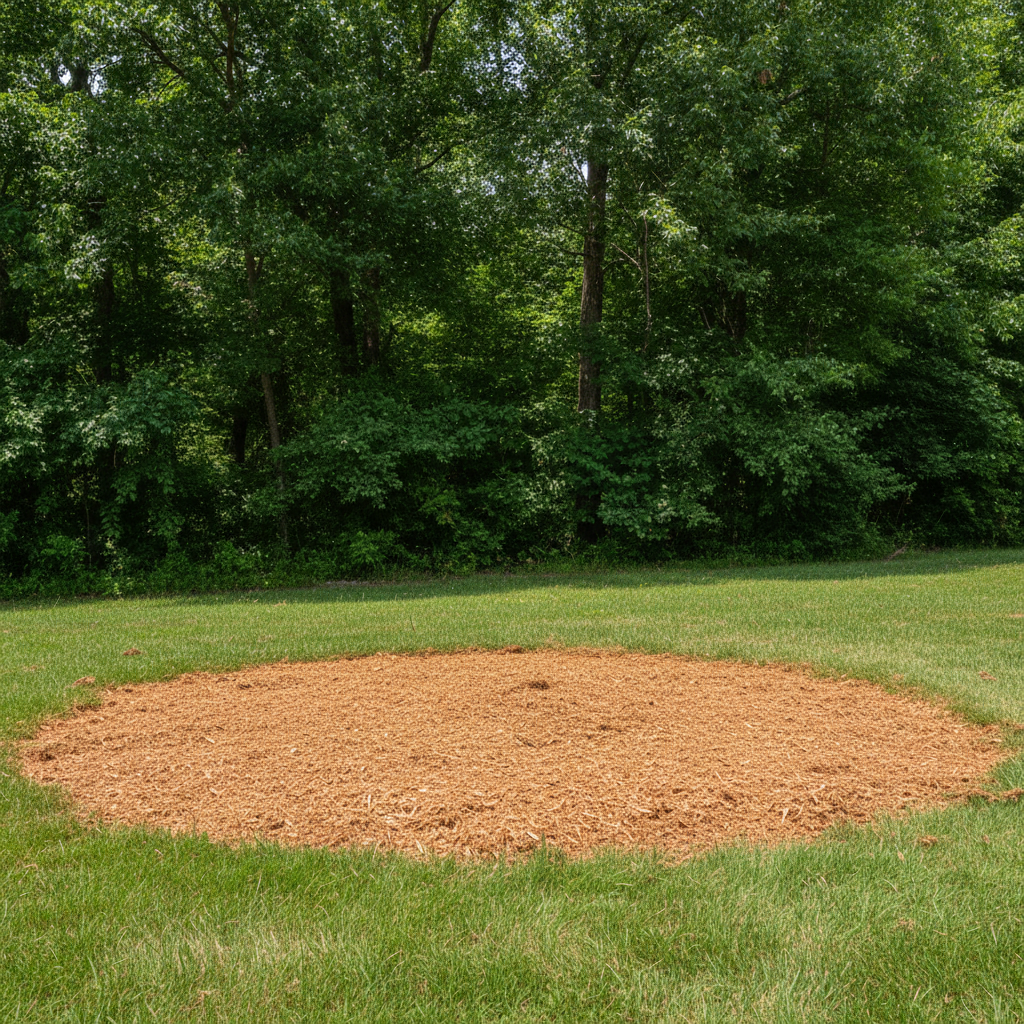
So, you finally got rid of that eyesore of a stump. Maybe it was an old oak from a storm, or a pine that just got too big for its britches. Whatever the reason, Midway Tree handled the grinding, and now you’ve got a nice, clear spot. But don't just walk away and forget about it, okay? There's a little bit of aftercare involved if you want that area to stay clear and healthy, especially with our Huntsville climate.
Making Your Stump Removal Spot Last
When I talk about 'making the work last,' I mean making sure that spot stays free of regrowth and becomes a usable part of your yard. After grinding, the main goal is to stop the old roots from trying to sprout back and to create good soil conditions for whatever you want to plant next.
- Fill the Hole Right: This is probably the most important step. After grinding, you'll have a depression filled with wood chips and soil. Don't just leave it. Those wood chips will break down, and the ground will settle even more, leaving a dip. You need to backfill it with good quality topsoil. I usually recommend a mix of topsoil and compost. This gives you a solid base and introduces helpful microbes that break down any leftover wood bits.
- Watch for Regrowth: Even after grinding, some tree species, especially fast-growing ones like sweetgum or hackberry, are tough. They might try to sprout from any root pieces left behind. Keep an eye out for small shoots in the weeks and months following the grinding.
- Think About Your Future Plans: Are you planting grass? A new shrub? A garden bed? What you plan to do with the space really dictates some of your next steps. If it's just grass, good topsoil and regular watering will do the trick. If you're planting something larger, you might need to improve the soil more deeply.
Regular Maintenance: What Happens Next
Once you’ve got the hole filled and settled, regular maintenance is pretty straightforward. It's mostly about keeping an eye on things and fixing any issues quickly.
- Watering and Settling: For the first few weeks, keep the newly filled area moist. This helps the soil settle evenly and encourages any new grass or plantings to take root. You'll likely see some settling over the first few months, especially after heavy rains, which we get plenty of here in North Alabama. Just add more topsoil as needed to keep the area level.
- Weed Control: Just like any disturbed soil, your stump removal spot is a prime target for weeds. Stay on top of them, either by hand-pulling or using a targeted herbicide if you're not planting anything desirable there yet.
- Fertilization (if planting): If you've planted new grass or shrubs, follow the right fertilization schedule for those specific plants. The goal is to create a healthy, thriving patch of your yard, not just an empty space.
- Check for Fungal Growth: Occasionally, you might see mushrooms or other fungi popping up. This usually means there's still some decomposing wood underneath. It's generally not bad for your lawn, but if it's a lot or keeps coming back, it might mean a bigger chunk of wood is still breaking down.
Warning Signs of Trouble
Most stump grinding jobs go off without a hitch, but sometimes things don't quite go as planned. Here are a few things to watch out for:
- Persistent Sprouts: If you're constantly battling new shoots coming up from the same spot, it means the grinding didn't get deep enough, or the tree was particularly resilient. This is more common with trees that have extensive, shallow root systems.
- Significant Sinking: A little settling is normal. A big, sudden sinkhole, though, could mean a larger void underneath or improper backfilling. This can be a tripping hazard and needs to be addressed.
- Unusual Odors or Pest Activity: While rare, if you notice a strong, unpleasant smell or a sudden increase in insects like termites or carpenter ants around the old stump site, it could mean there's still a lot of decaying wood attracting them. Our humid summers here can really speed up decay and pest activity.
- Poor Drainage: If the area consistently holds water after rain, it could be a sign of compacted soil or an issue with how the hole was filled.
When to Call a Pro
Look, most of the time, you can handle the aftercare yourself. But there are definitely situations where it's best to pick up the phone and call us back at Midway Tree, or another reputable local outfit.
- Stubborn Regrowth: If you've tried to manage the sprouts yourself and they just keep coming back with a vengeance, you might need a deeper grind or a specific chemical treatment that's best applied by a pro.
- Large Sinkholes: If the ground has settled significantly and created a hazardous depression, we can look at the situation and properly refill and compact the area.
- Pest Infestations: If you suspect termites or other wood-boring pests are making a home in the old stump remnants, you'll want a pest control expert, but we can help remove the source material if needed.
- Planning a Major Project: If you're planning to build a shed, lay a patio, or plant a large tree in that exact spot, it's worth having us come out to make sure the area is completely free of old root material and properly prepared for your new project. You don't want roots messing with foundations or new plantings down the line.
Taking a little extra time after the stump is gone ensures you get the most out of the investment and keeps your yard looking its best. Don't hesitate to reach out if you've got questions or run into something you can't handle.